
Description
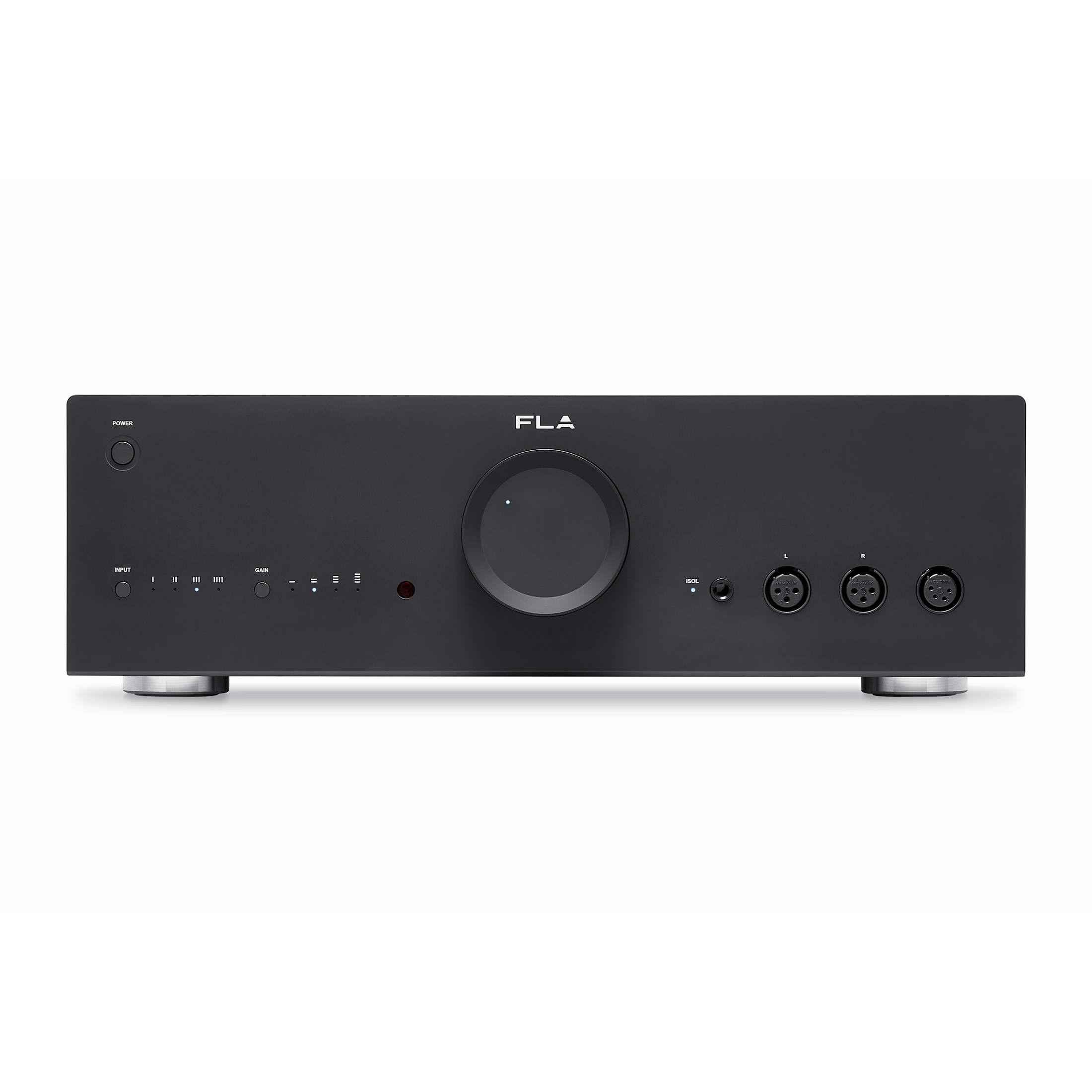
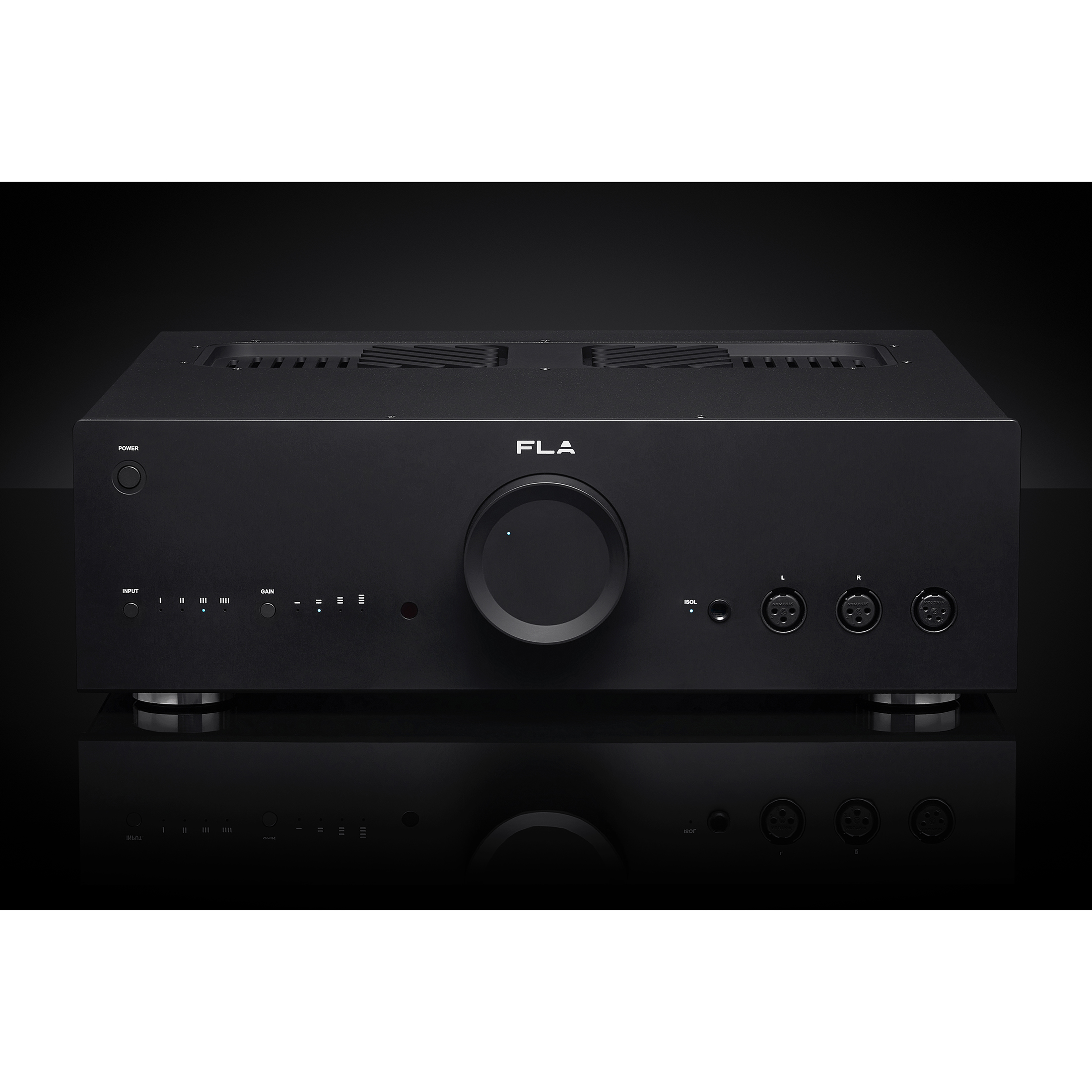
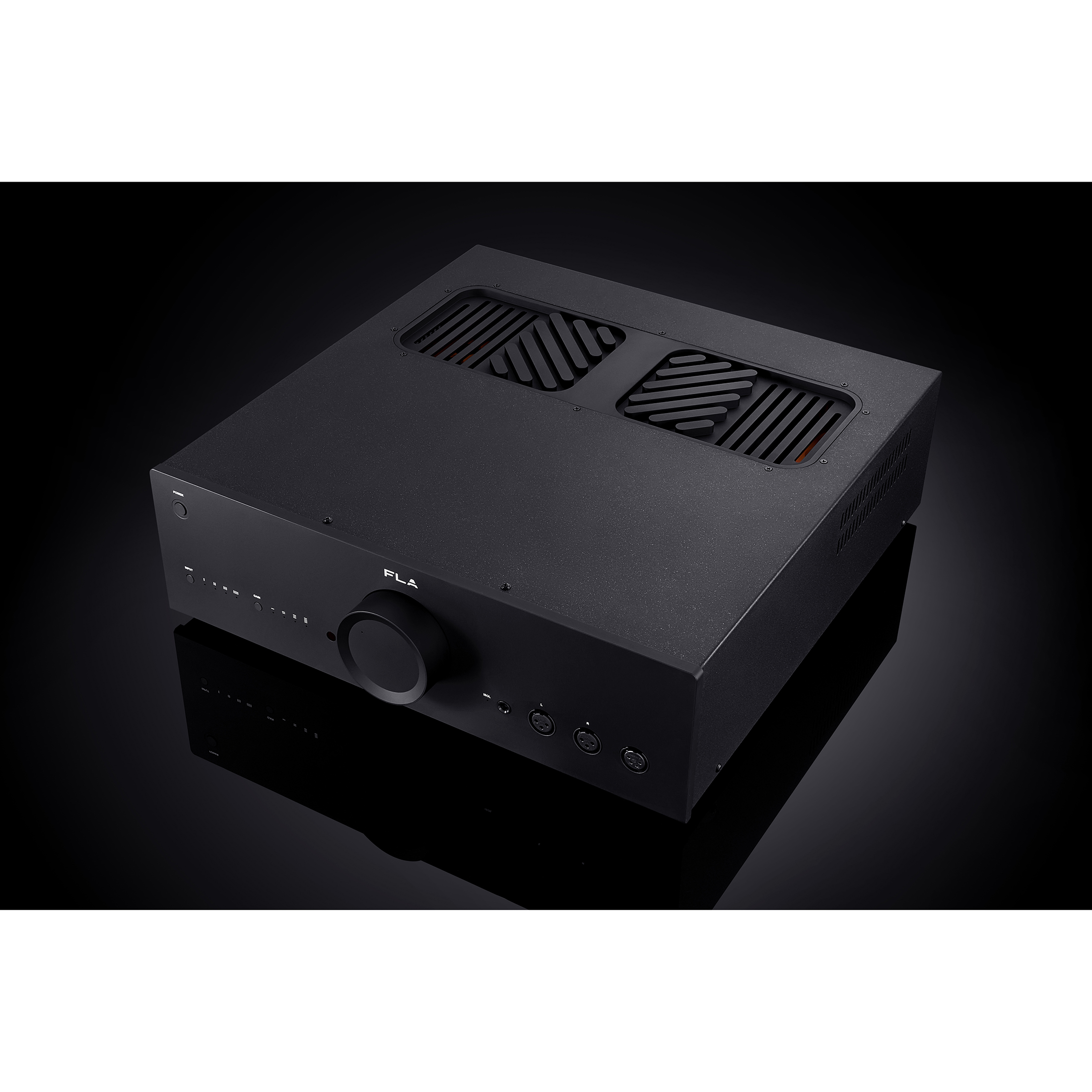
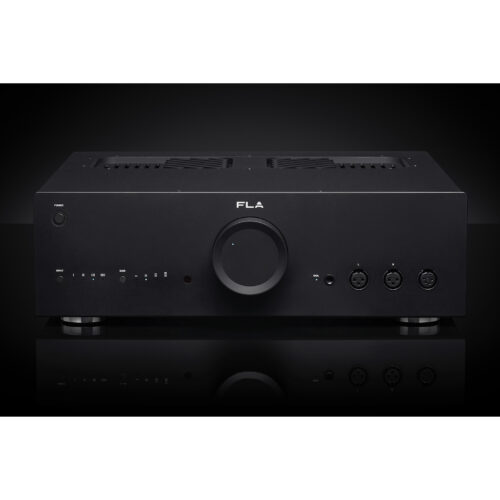
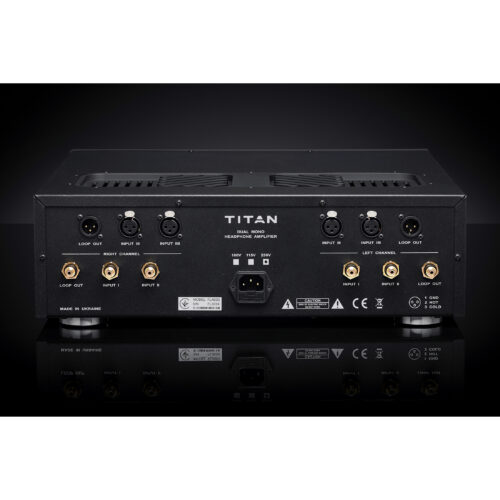
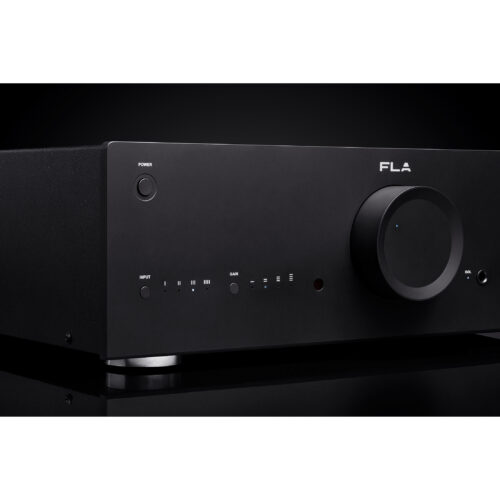
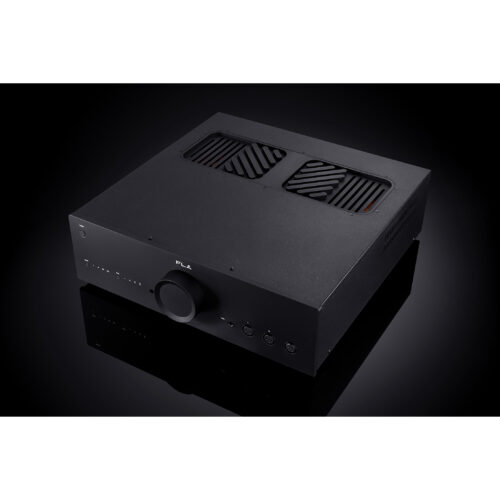
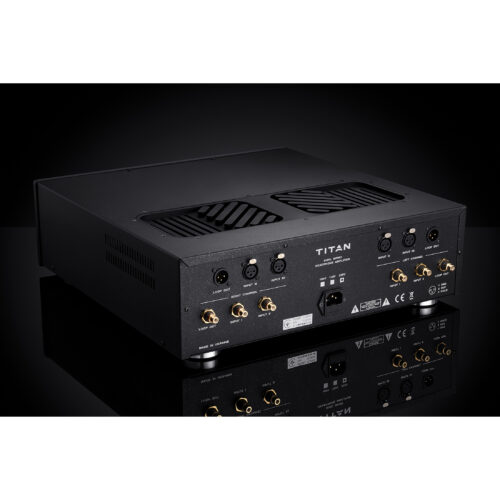
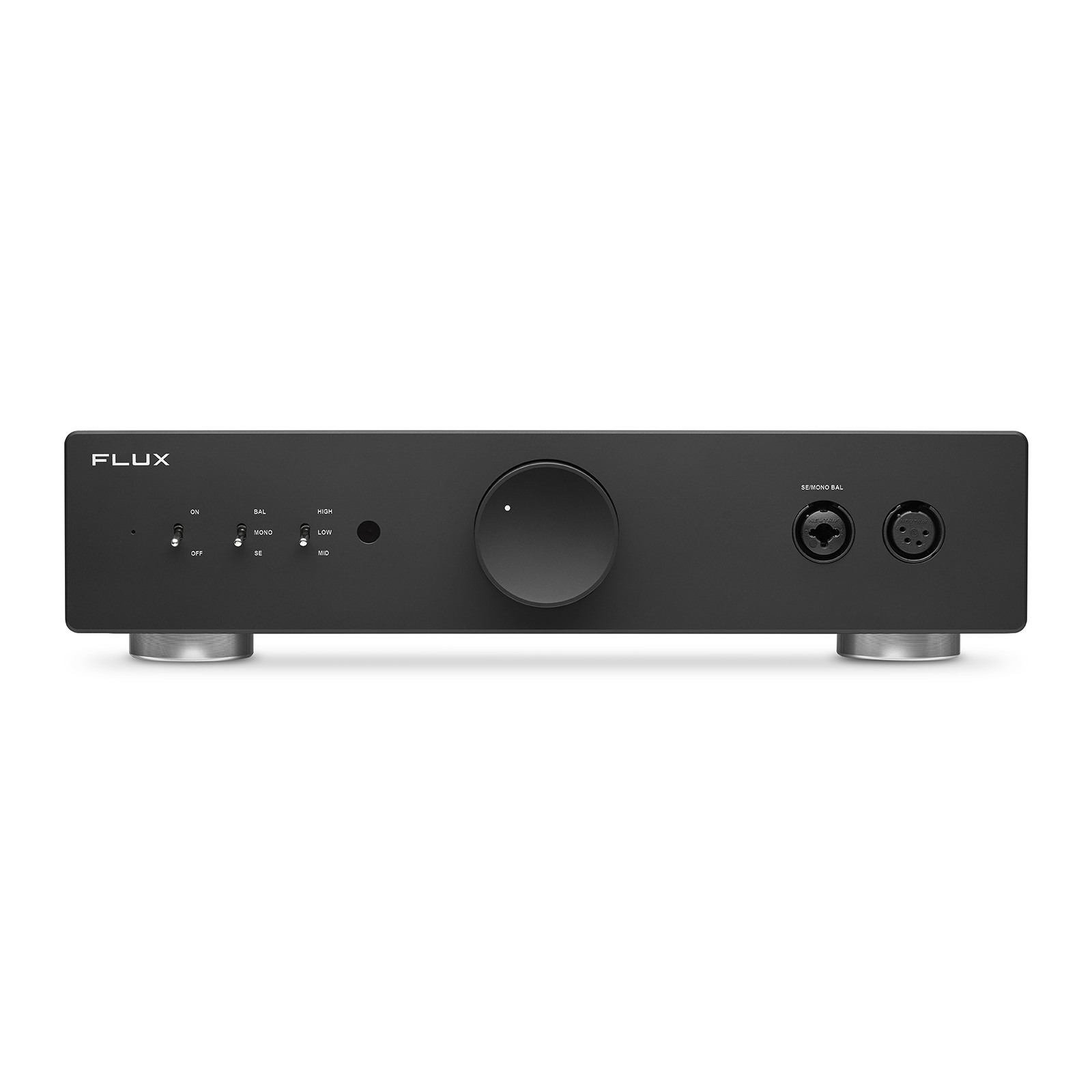
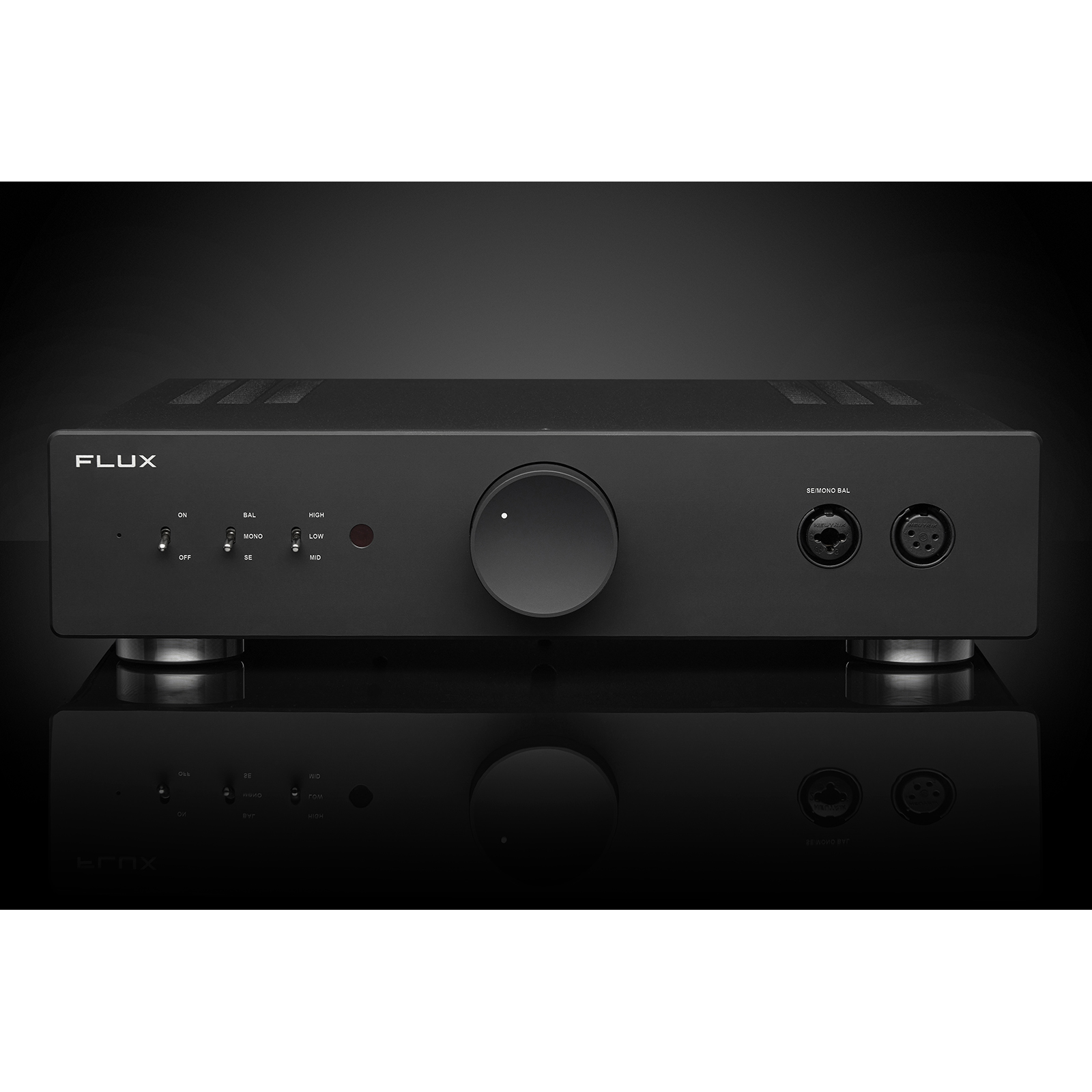
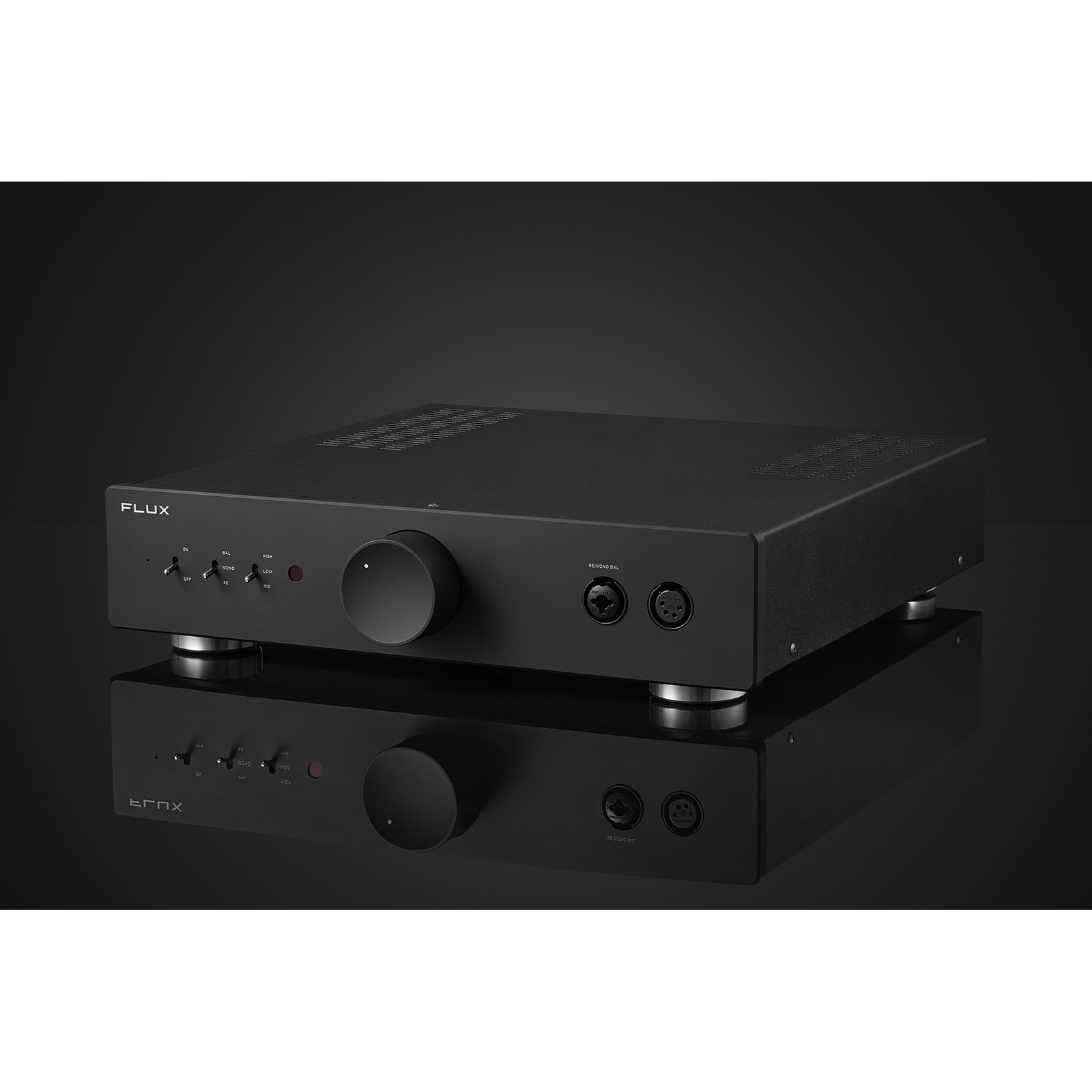
Dear friends, we are pleased to present our new flagship model of headphone amplifier, TITAN. Due to the use of the highest quality element base and an uncompromising approach to creating the topology of printed circuit boards, we managed to build an amplifier with the most holographic and large-scale sound. At the same time, the sound of the amplifier is as natural and refined as possible.
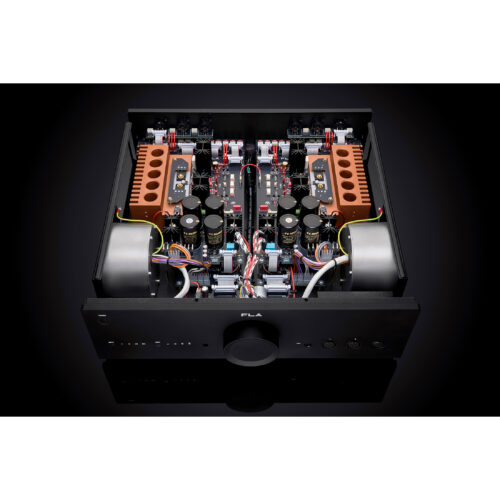
Now we will describe in a little more detail how TITAN is organized inside:
-
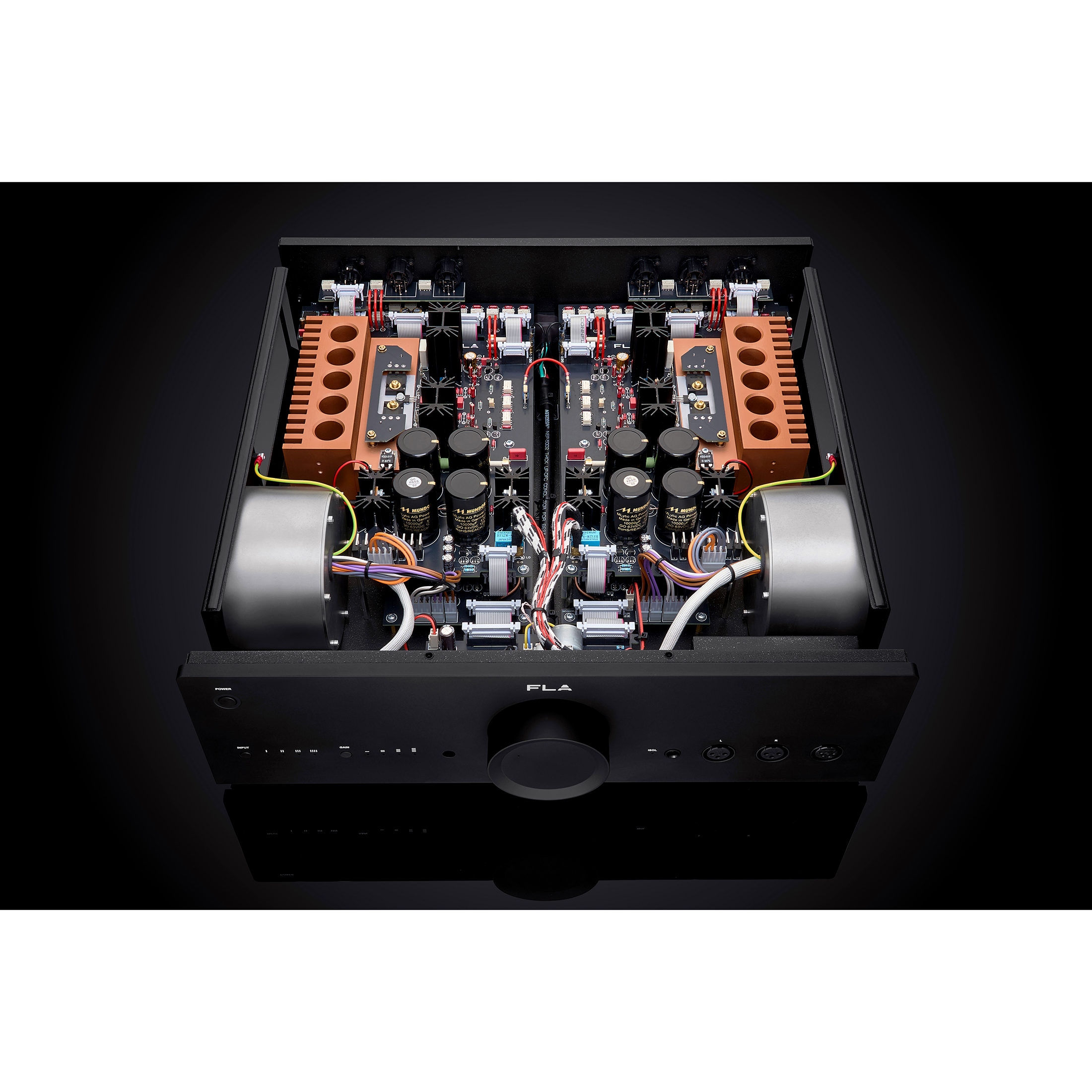
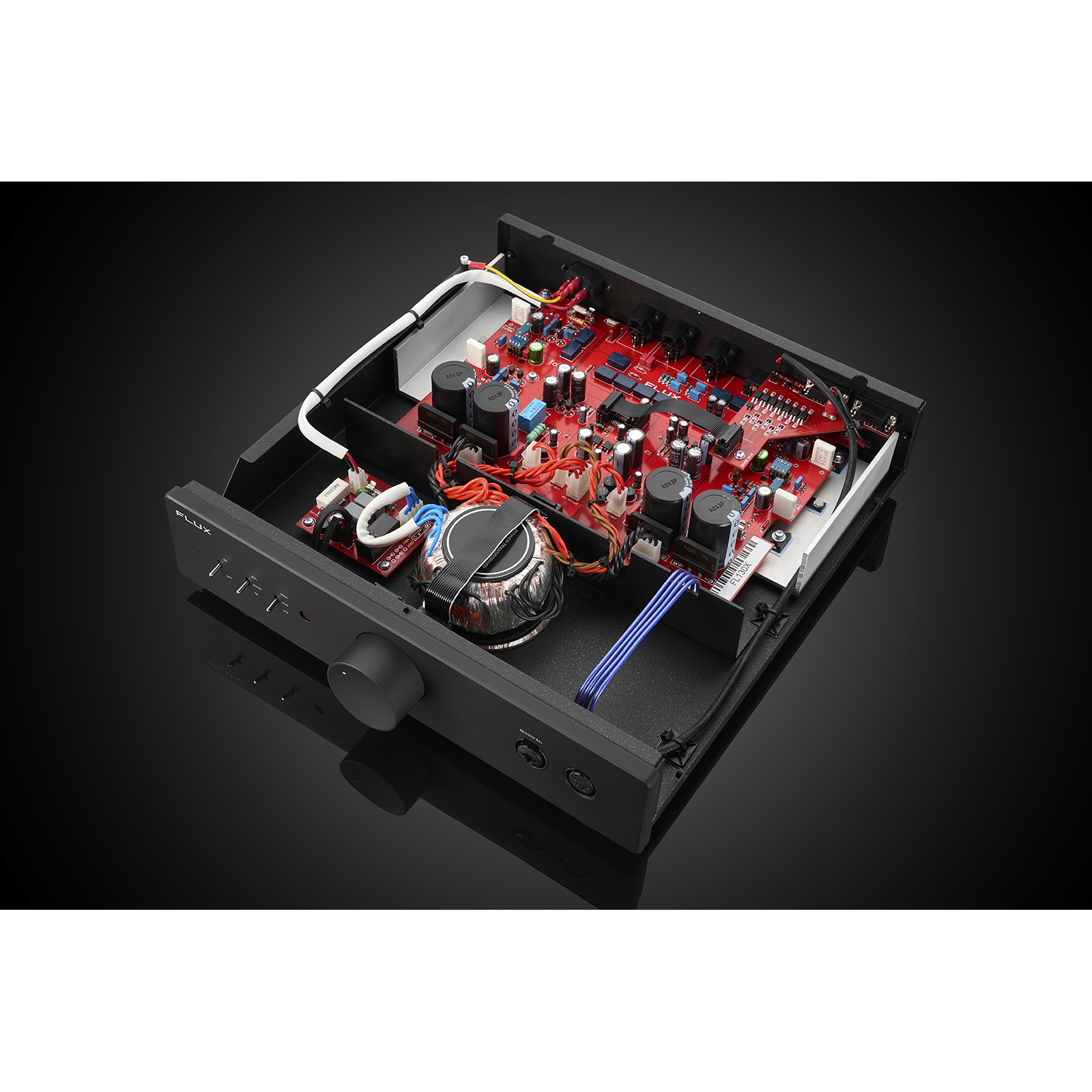
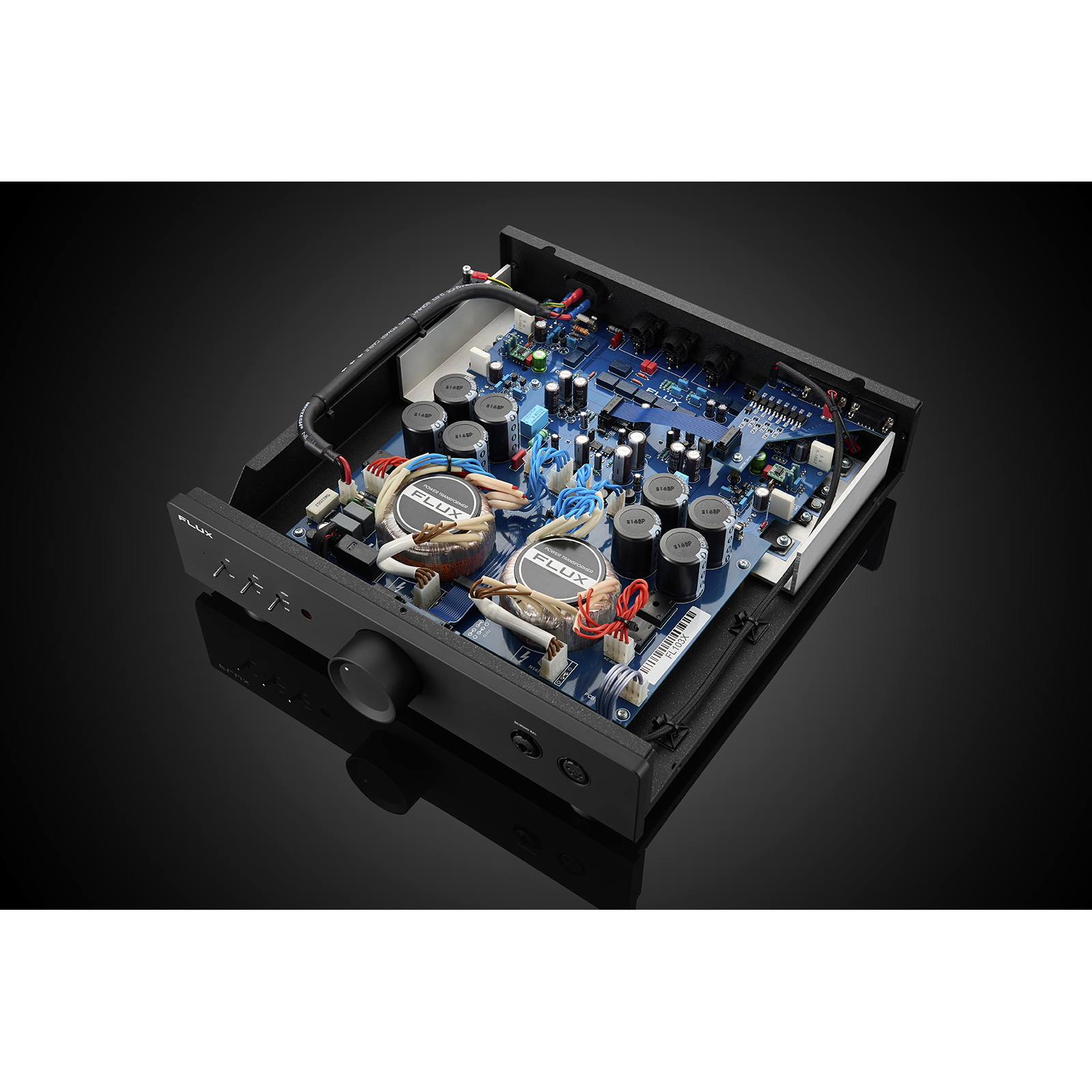
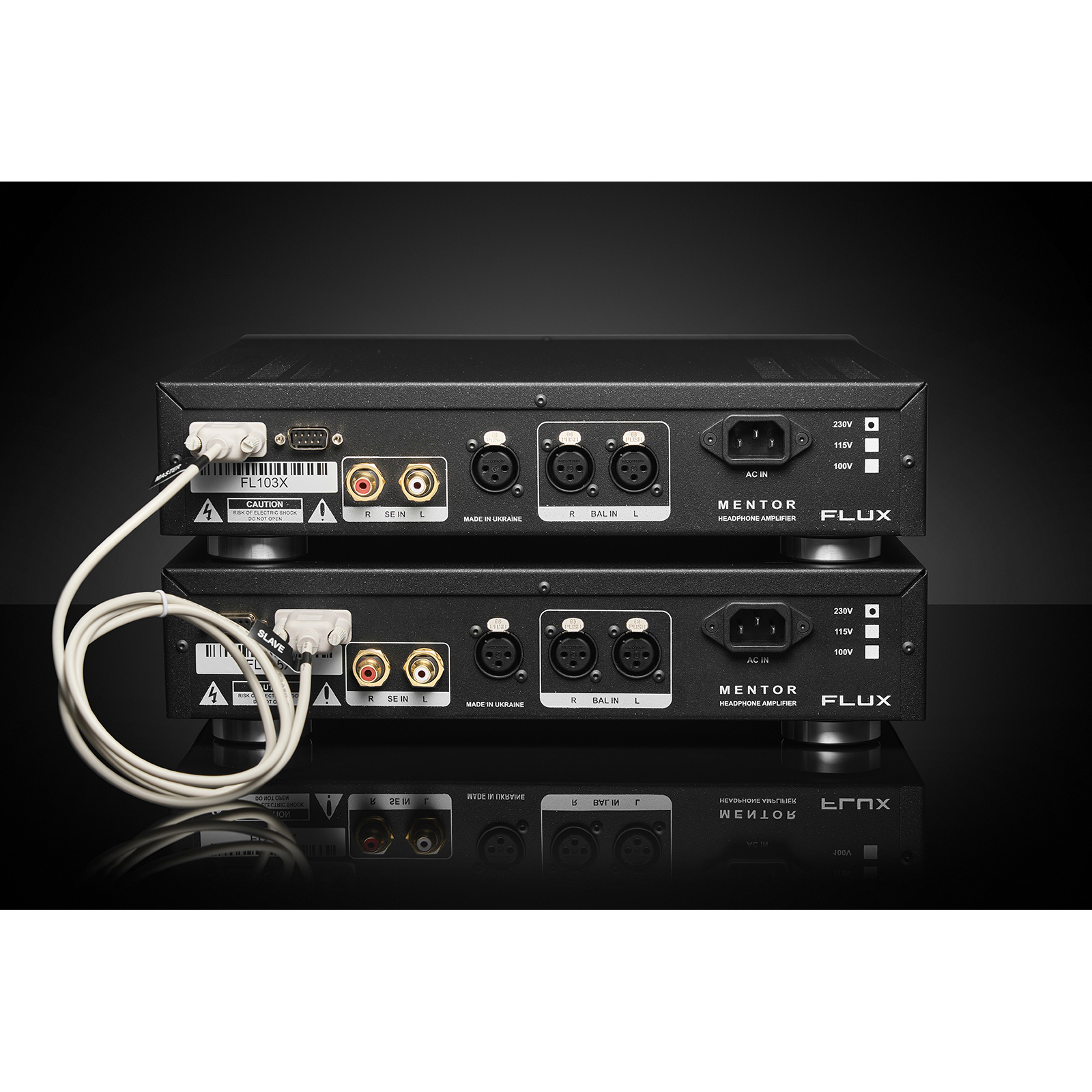
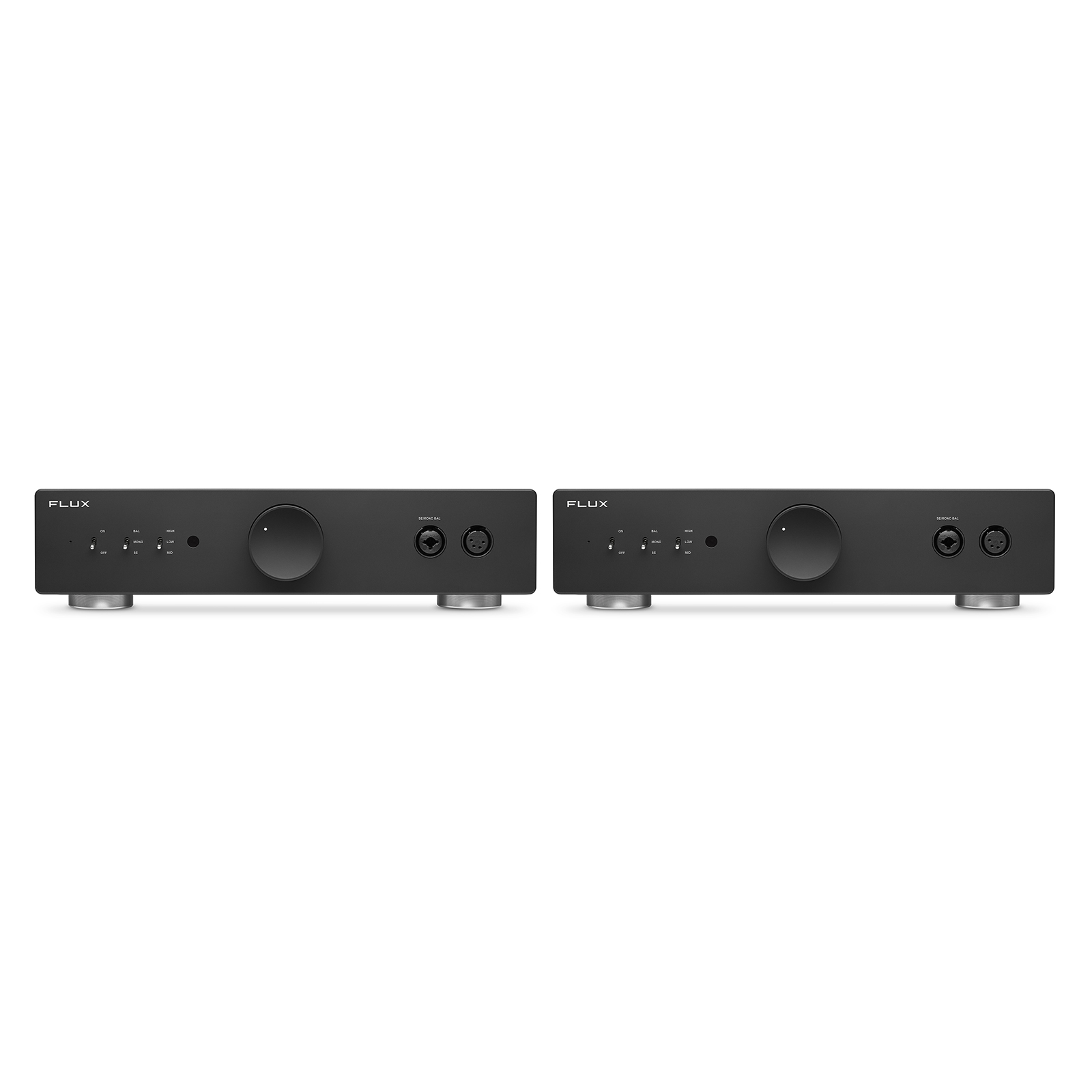
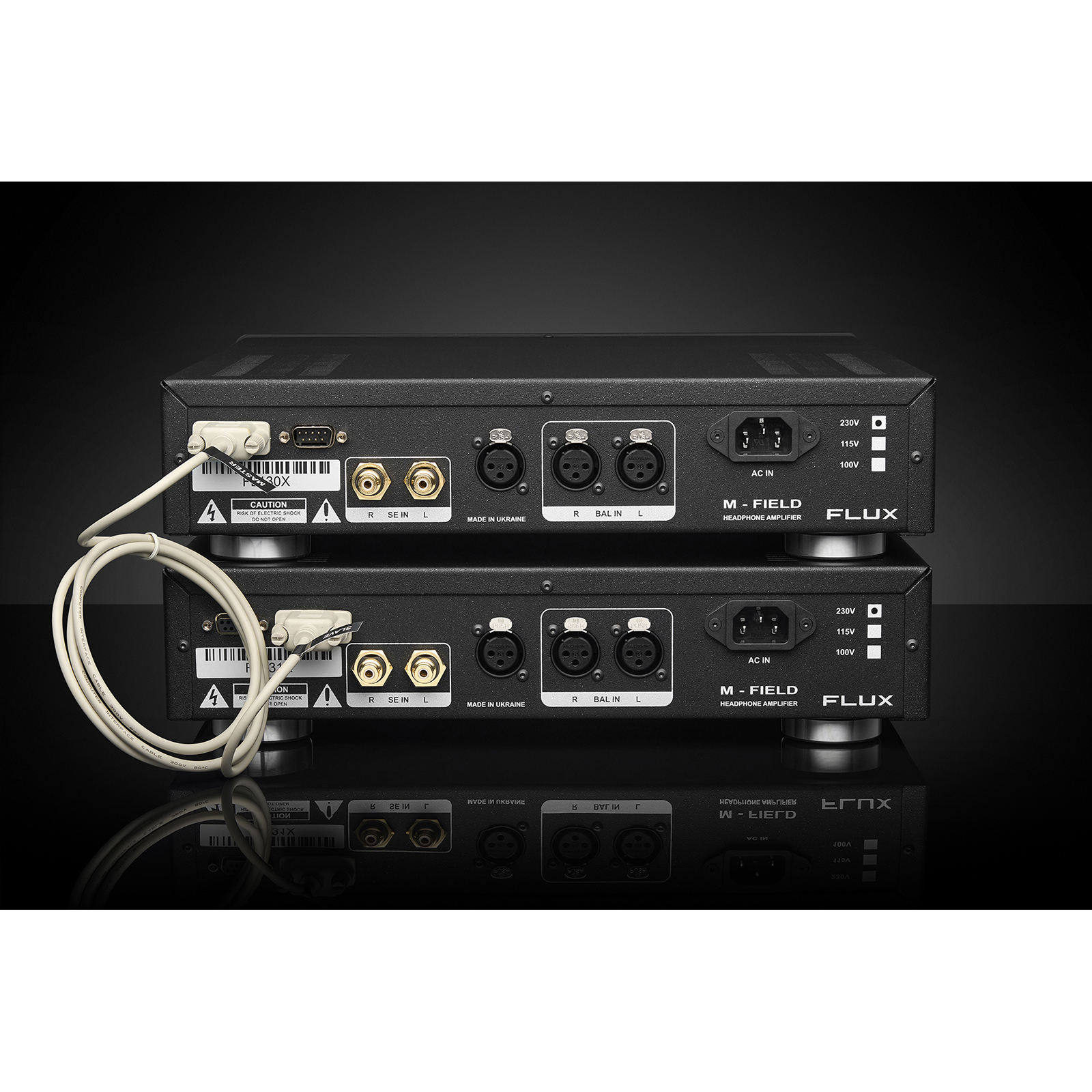
- This amplifier model is built on the dual mono principle, consisting of two completely separate mono amplifiers located under a common chassis cover. The amplifier operates in deep class A, which is the basis for obtaining the most natural and detailed sound
-
- The amplifier’s output stage uses vertical MOSFETs. Although this type of MOSFET typically requires a more complex thermal compensation circuit than many lateral MOSFETs, we chose them because they are better suited to our reference sound concept. In particular, this type of MOSFET allows for the most focused, fast, and punchy bass, while still maintaining the natural midrange characteristic of MOSFETs.
-
- To minimize thermal distortion, special attention was paid to maintaining a consistent output stage temperature. Despite the impressive 260-280mA quiescent current per channel, the heatsink temperature always remains relatively low due to the large size of the heatsinks. When the amplifier is turned on, a so-called “preheating mode” is activated, setting the output stage quiescent current above the nominal value. This quickly establishes the required heatsink temperature, after which the quiescent current drops to the nominal value, and the heatsink temperature is maintained.
-
- On the main boards of the amplifier, to obtain the most transparent sound, we used audio resistors from PRP and Vishay foil “naked” resistors, which have the highest resolution. But in critical places of the circuit, to give the amplifier timbre fullness, we used tantalum resistors from Audio Note and carbon resistors from the Takman REX series. After conducting a huge number of experiments, we were able to find the most advantageous combination of these components. In the power supply of the power amplifier, capacitors from the Mundorf MLytic AG series with a total capacity of 80,000 μF are used. These are some of the best capacitors on the market, capable of providing the most transparent and dynamic sound with a rich timbre component.
-
- A dedicated filtering circuit based on MOSFETs powers the output stage. This allows the amplifier to sound as open, clear, and dynamic as possible.
-
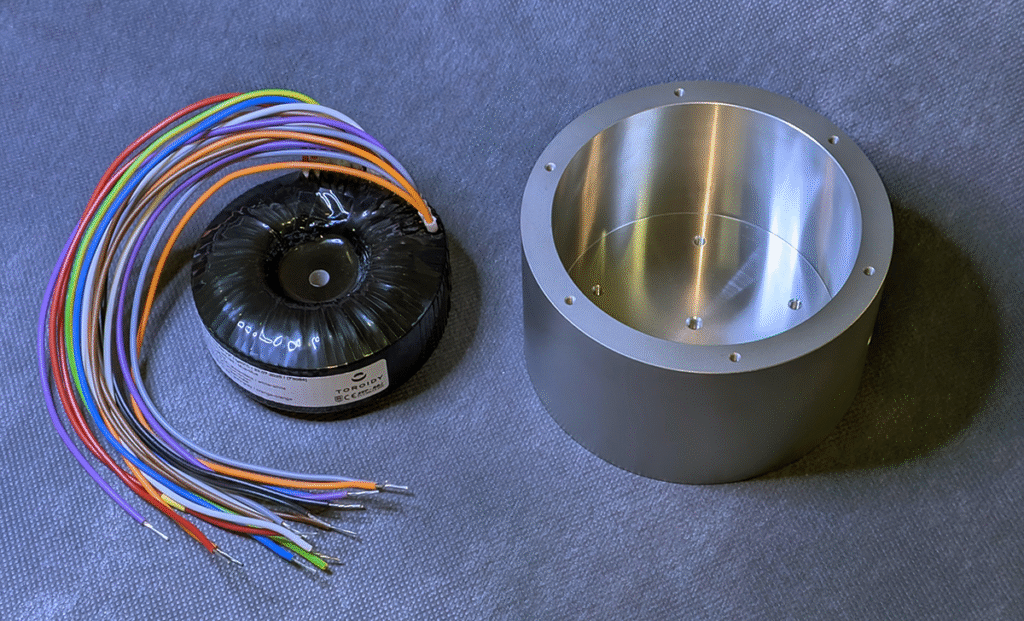
- The amplifier uses two custom audio-grade power transformers. For additional shielding and maximum vibration minimization from the transformers, a stainless steel screen with a wall thickness of 10 mm on the sides and 8 mm on the top cover is used.
- The lower tier of the printed circuit boards contains ultra-low-noise voltage stabilizers that provide power for the amplifier’s input circuits.
- The amplifier uses two custom audio-grade power transformers. For additional shielding and maximum vibration minimization from the transformers, a stainless steel screen with a wall thickness of 10 mm on the sides and 8 mm on the top cover is used.
-
- All control signals have optical galvanic isolation from the control unit and between the amplifier channels themselves. This minimizes the influence of the amplifier channels on each other. To ensure greater reliability, we used latching connectors for the cables that provide control signal transmission. At the same time, these flat cables are not used to transmit audio signals.
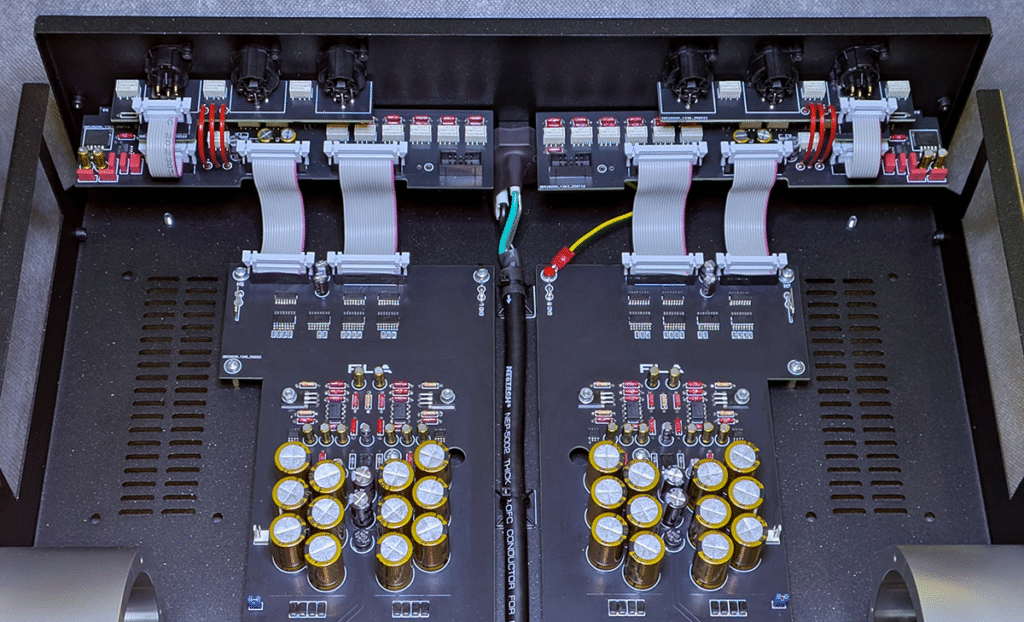
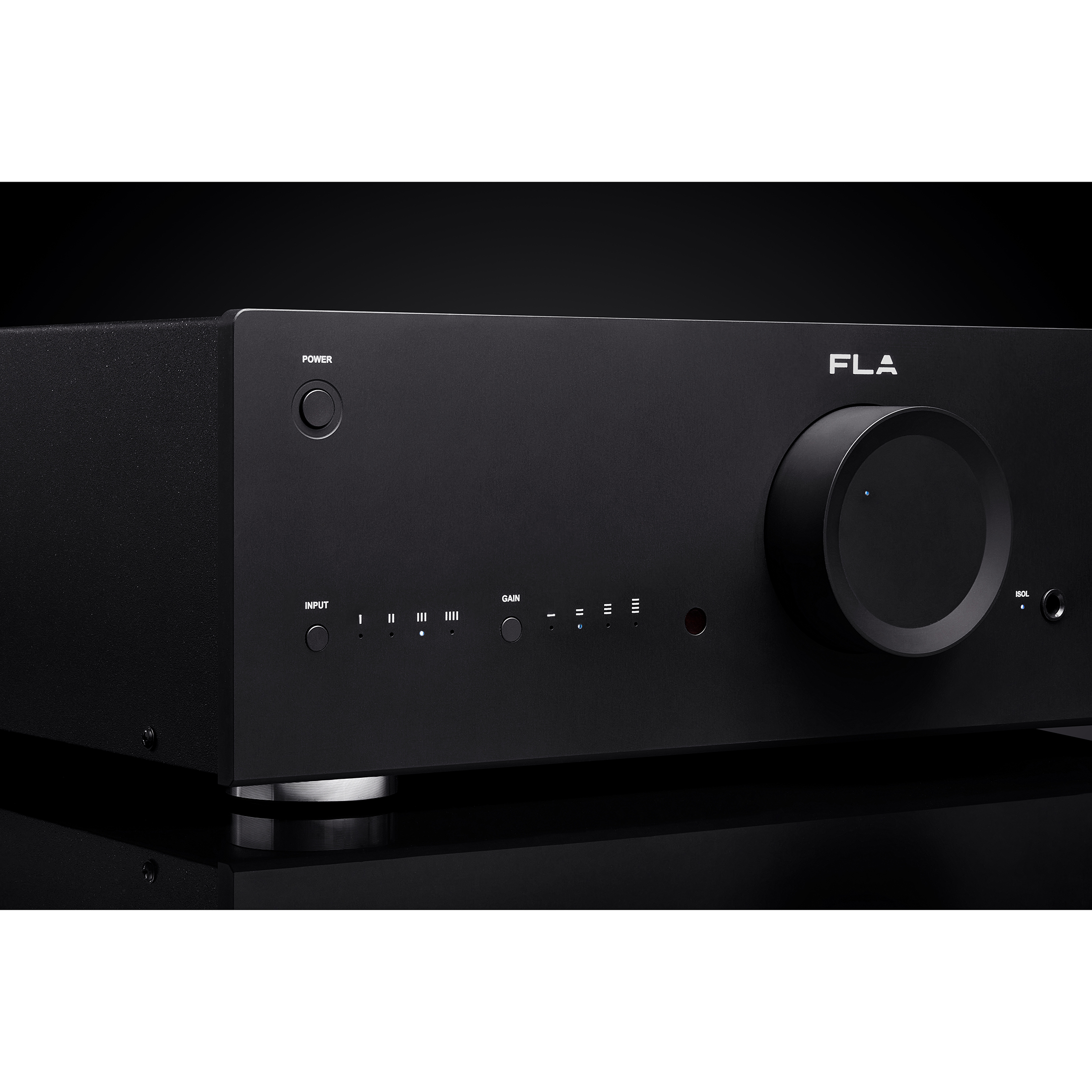
- The volume control is made on precision signal relays manufactured by TE Connectivity and resistors manufactured by PRP, which have ultra-low distortion and noise. This combination of components allows for a very transparent volume control and, what is important, at absolutely any output level. The motorized potentiometer manufactured by ALPS is used exclusively as a control element and does not receive an analog audio signal. The relay volume control is located directly on the boards with input connectors.
- All control signals have optical galvanic isolation from the control unit and between the amplifier channels themselves. This minimizes the influence of the amplifier channels on each other. To ensure greater reliability, we used latching connectors for the cables that provide control signal transmission. At the same time, these flat cables are not used to transmit audio signals.
-
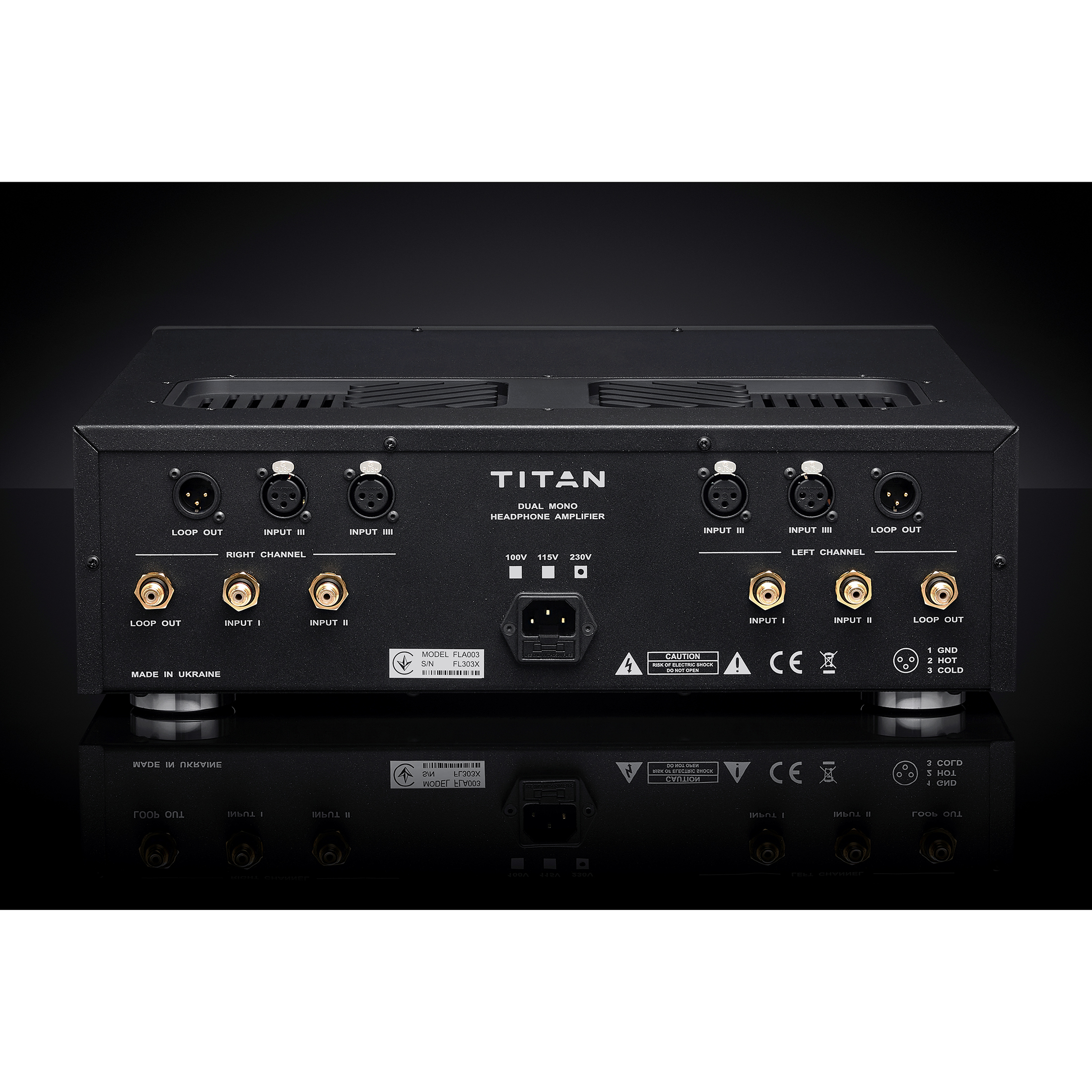
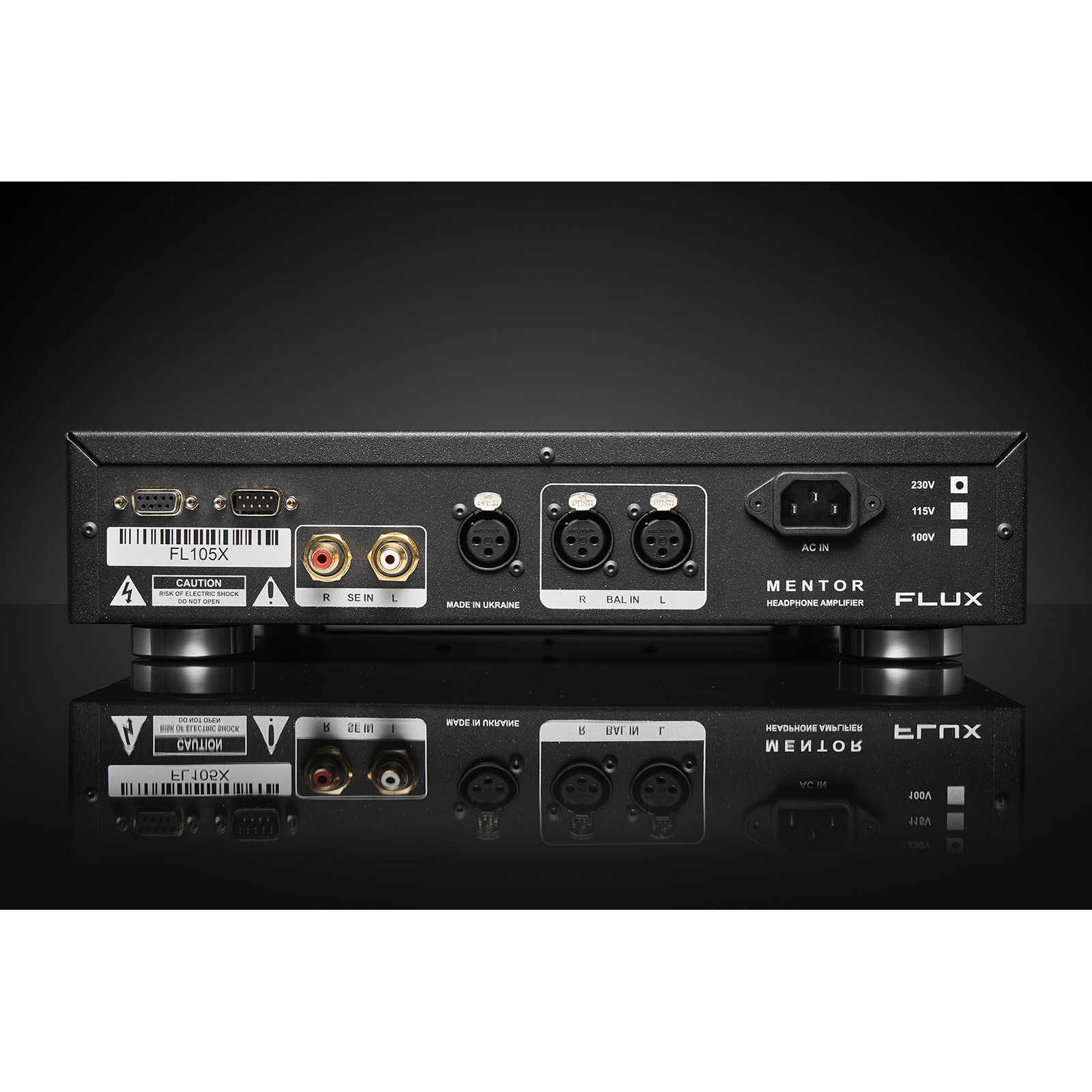
- We paid special attention to the wiring and the quality of the contacts for transmitting audio signals. The power cable that runs from the power connector to the distribution printed circuit board is manufactured by Neotech. The power connector used is from Viborg, which contains a socket for the main fuse. To transmit low-voltage input signals between printed circuit boards, a flat monocrystalline copper conductor in PTFE insulation manufactured by Neotech is used. In this case, the connection of signal conductors is carried out by soldering without the use of connectors. To transmit the output signal, we used a flat, multi-strand, cotton-insulated, monocrystalline copper cable. This cable design allows for an incredibly spacious soundstage. Each output cable was shunted with a thin, solid, PTFE-insulated, monocrystalline copper cable, which improved the sound balance and added exceptional transparency at the highest frequencies.
-
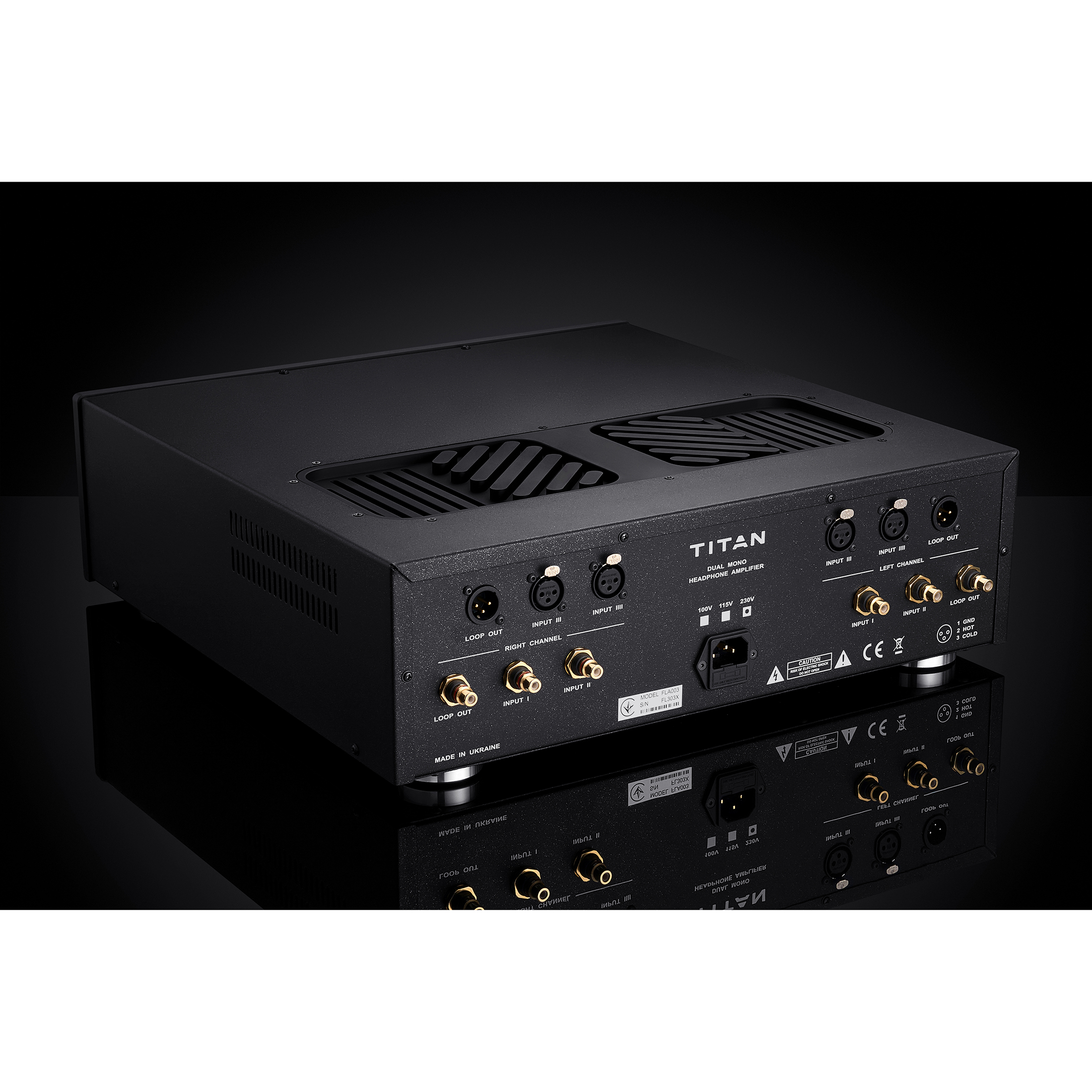
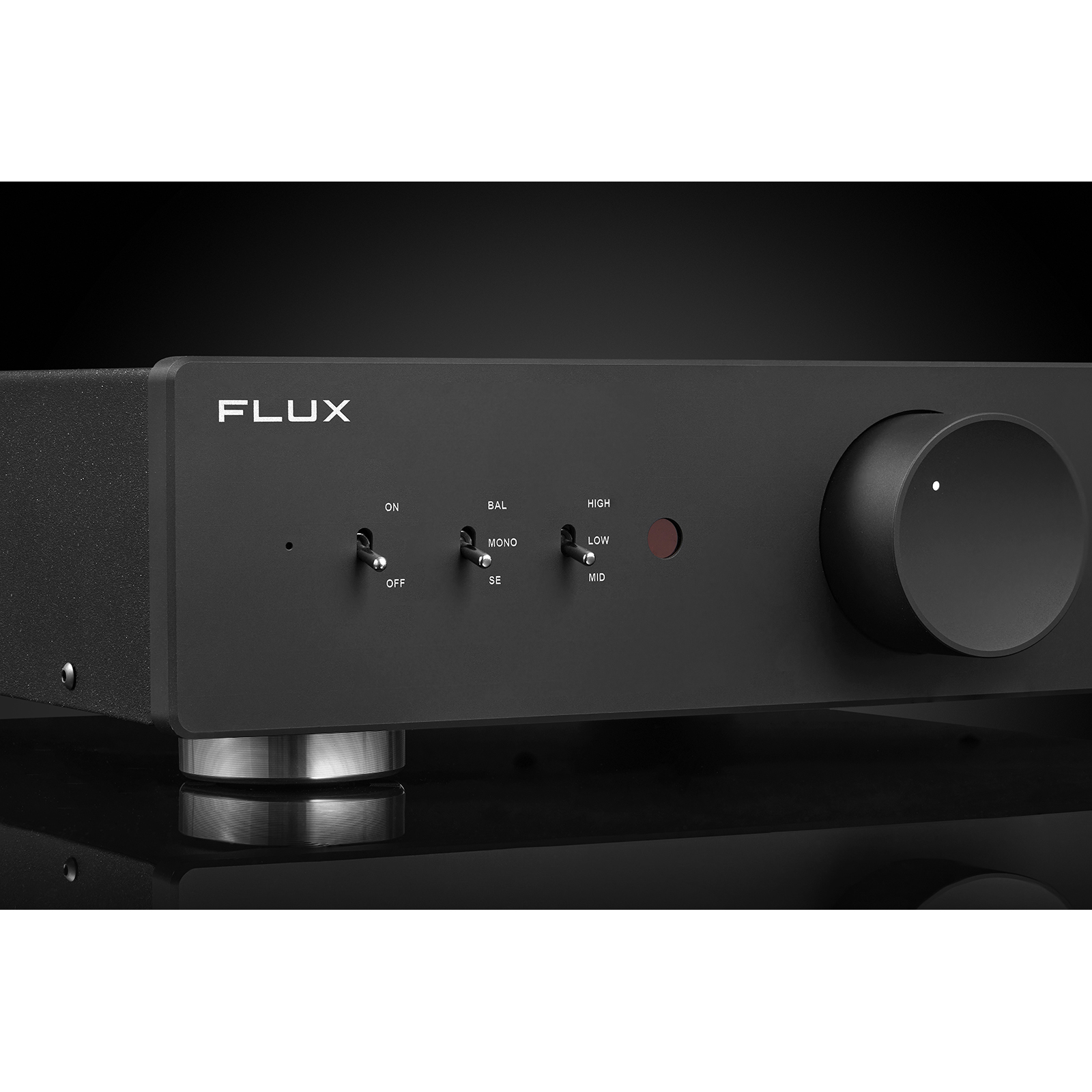
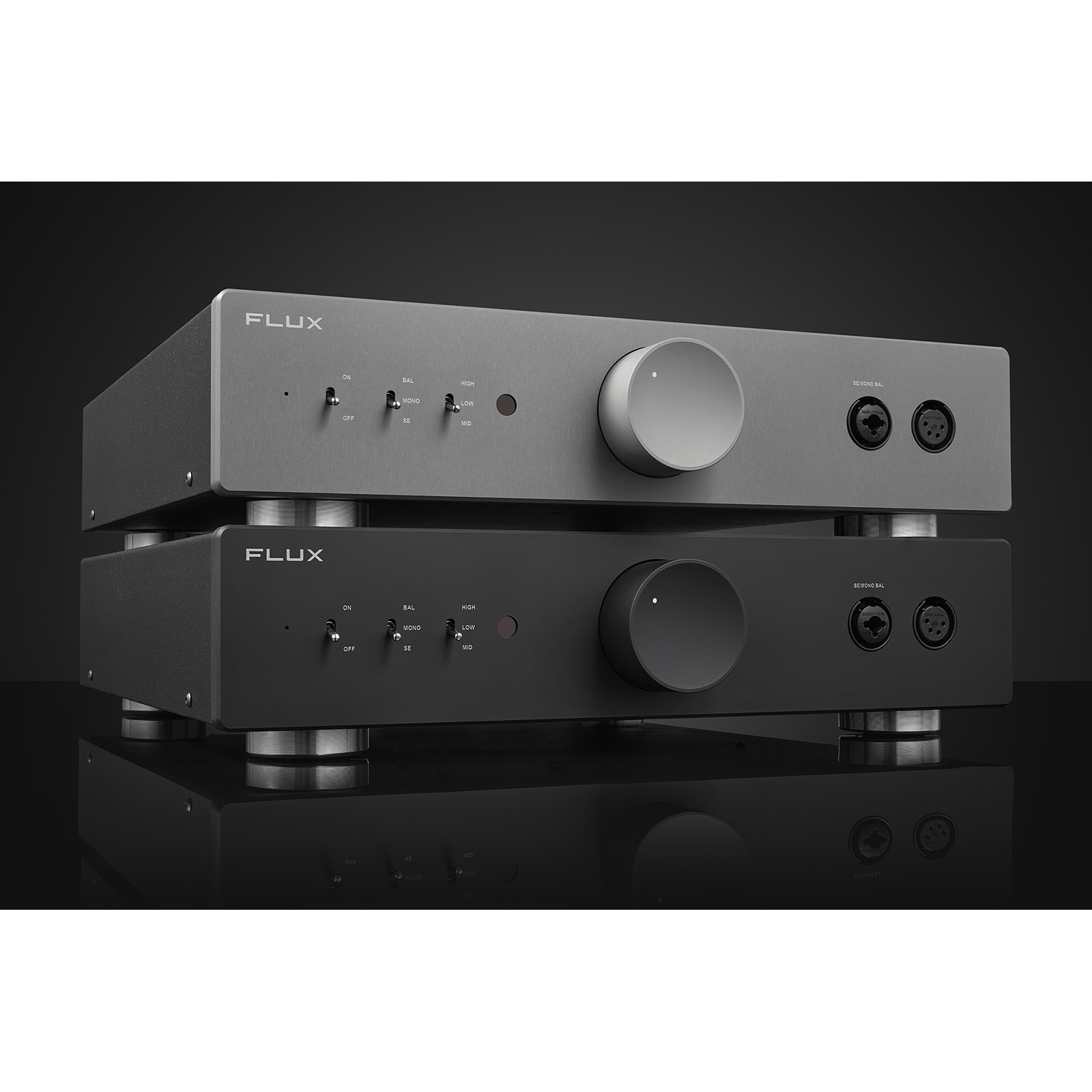
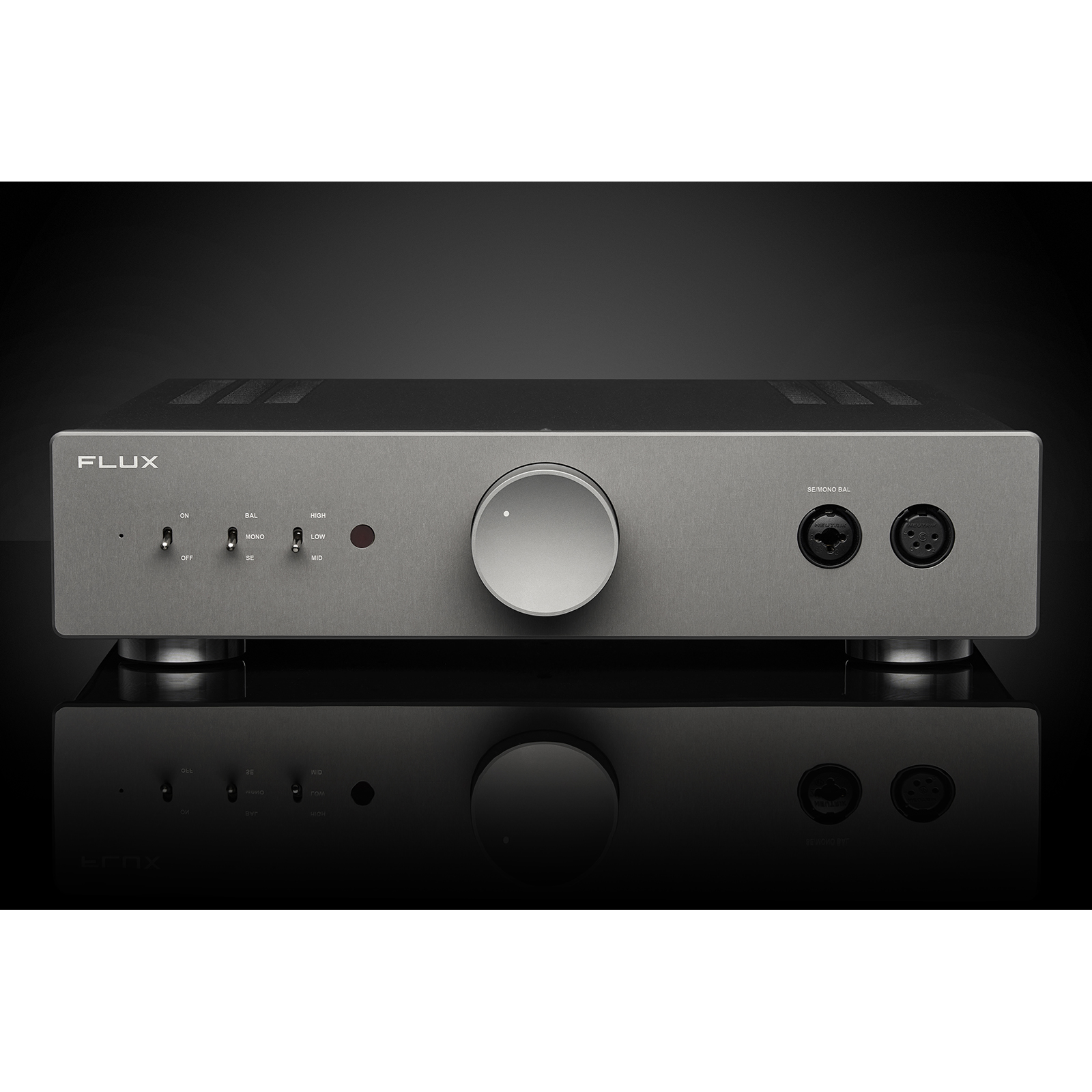
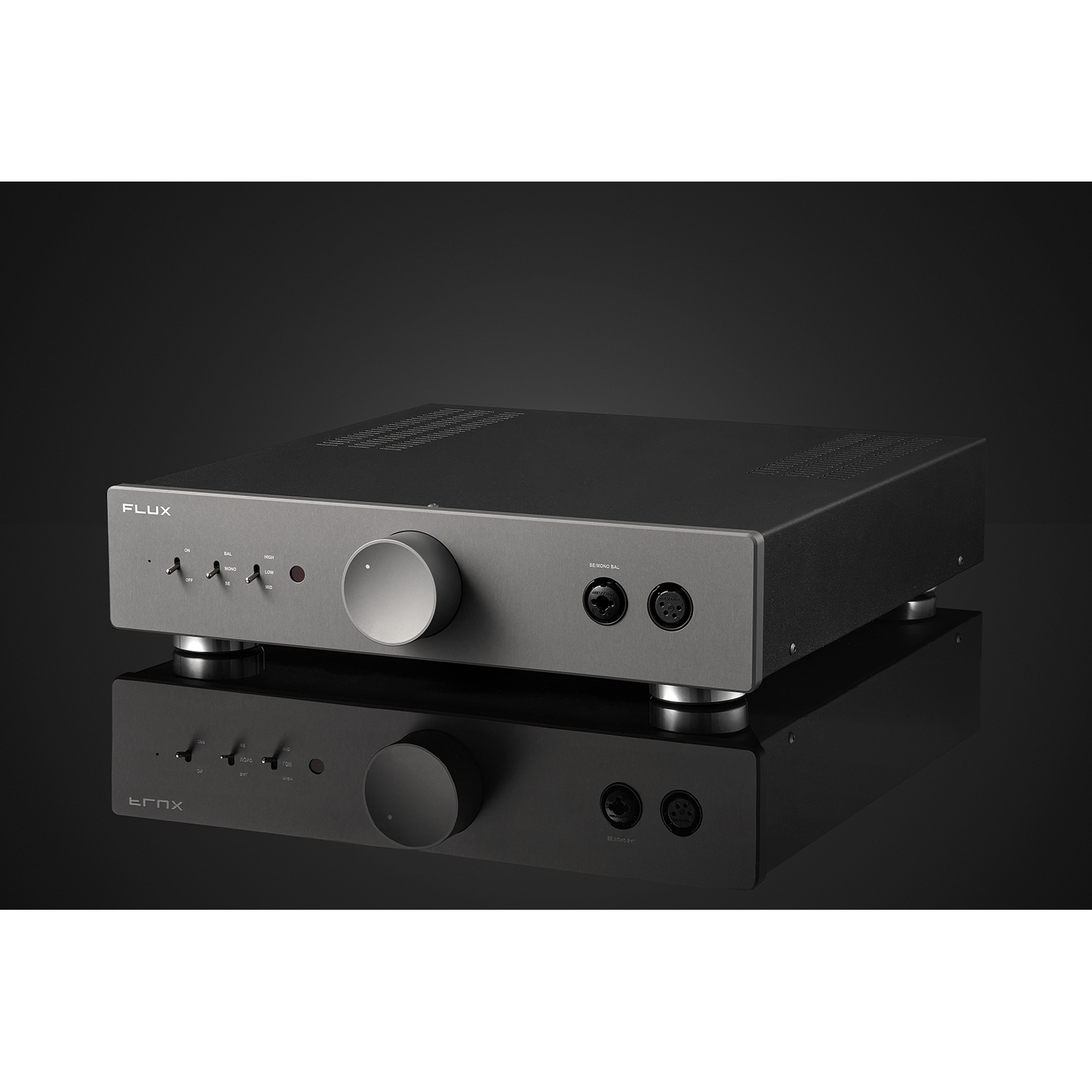
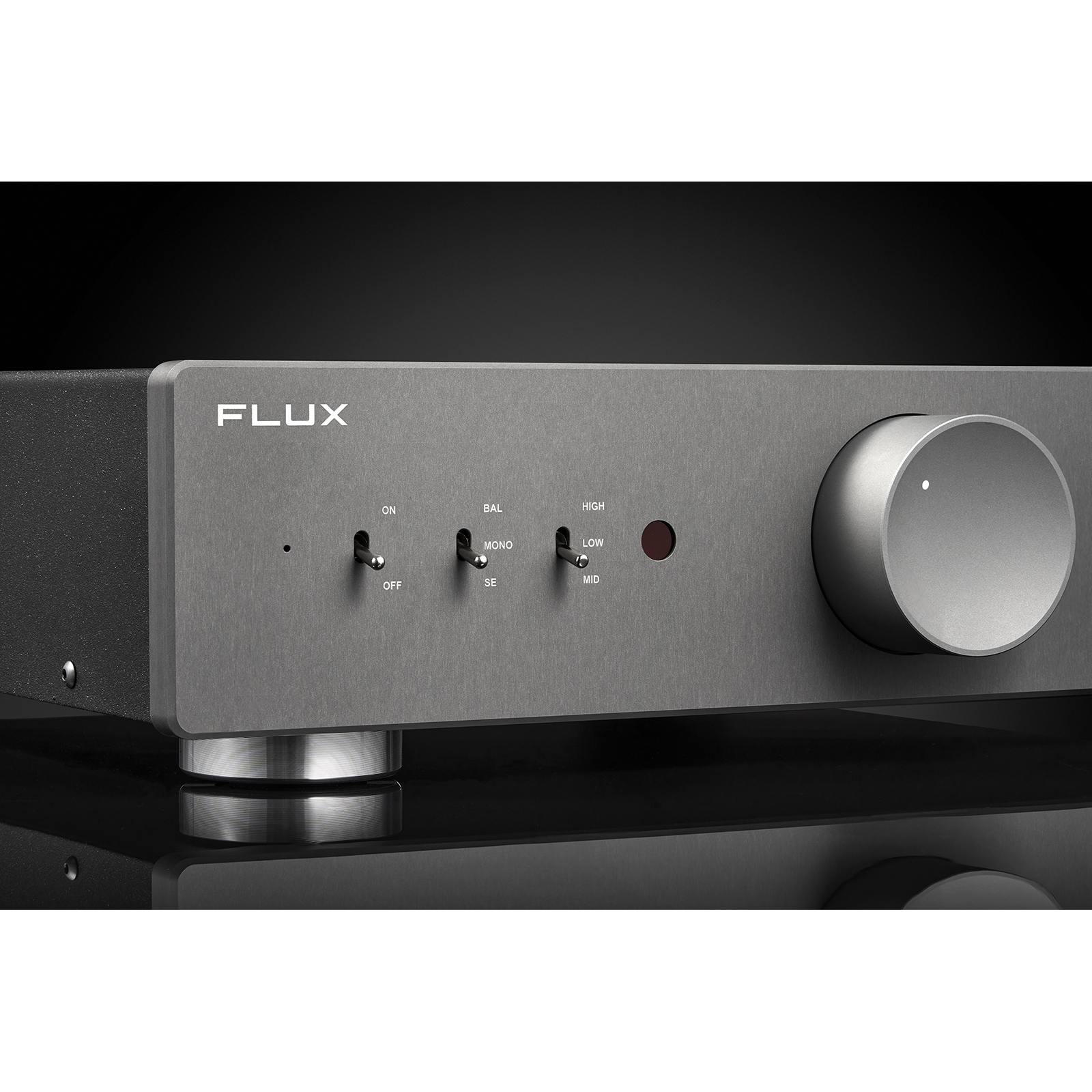
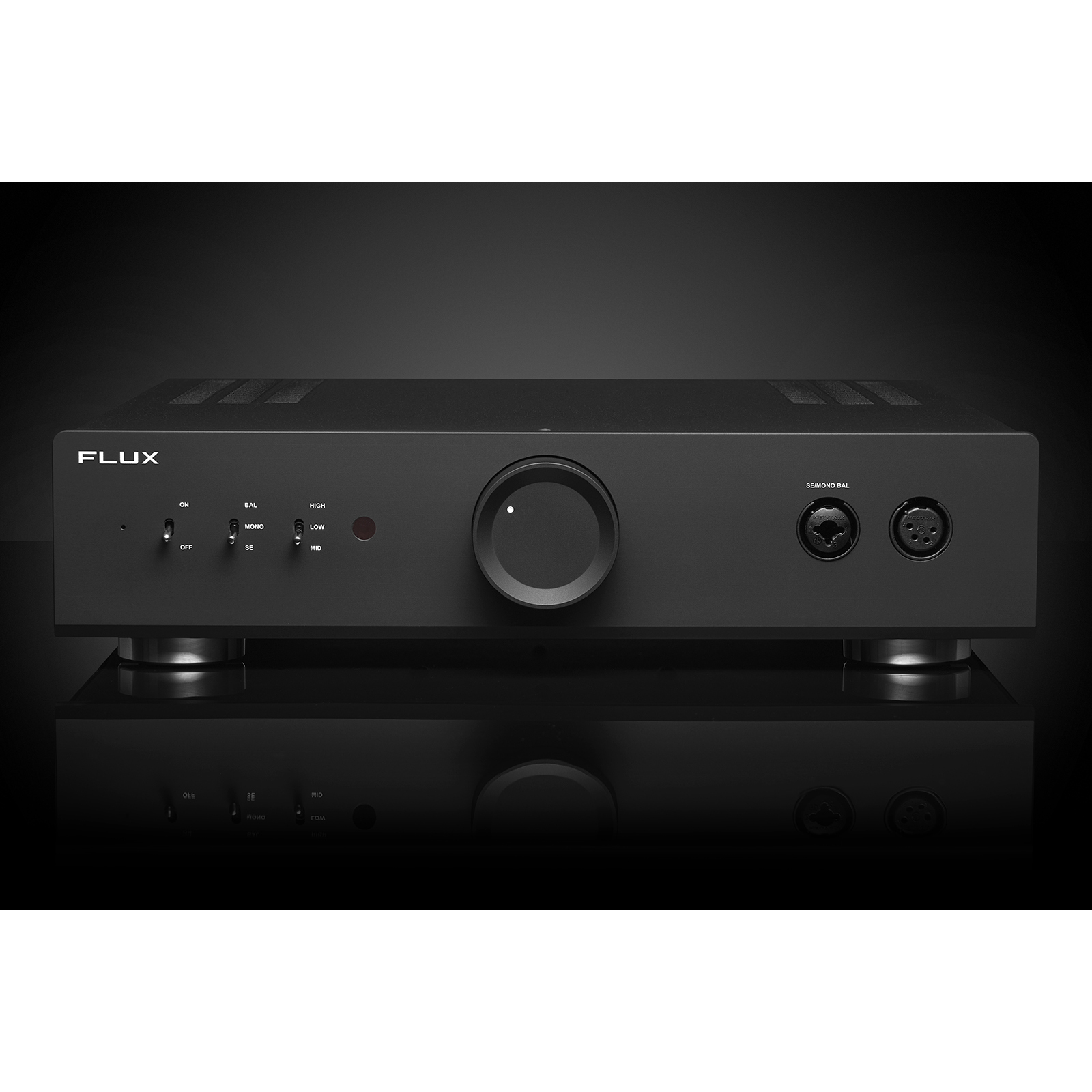
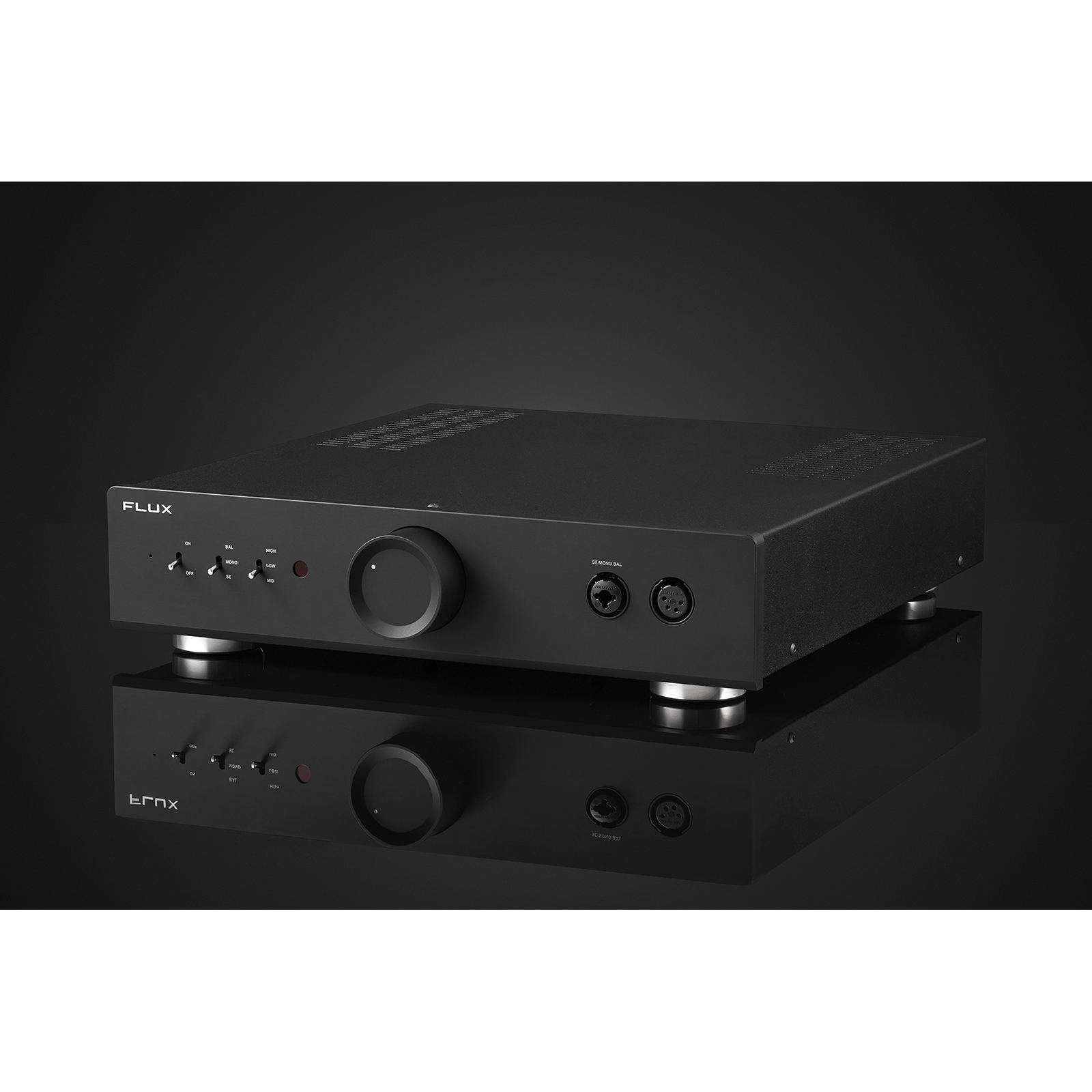
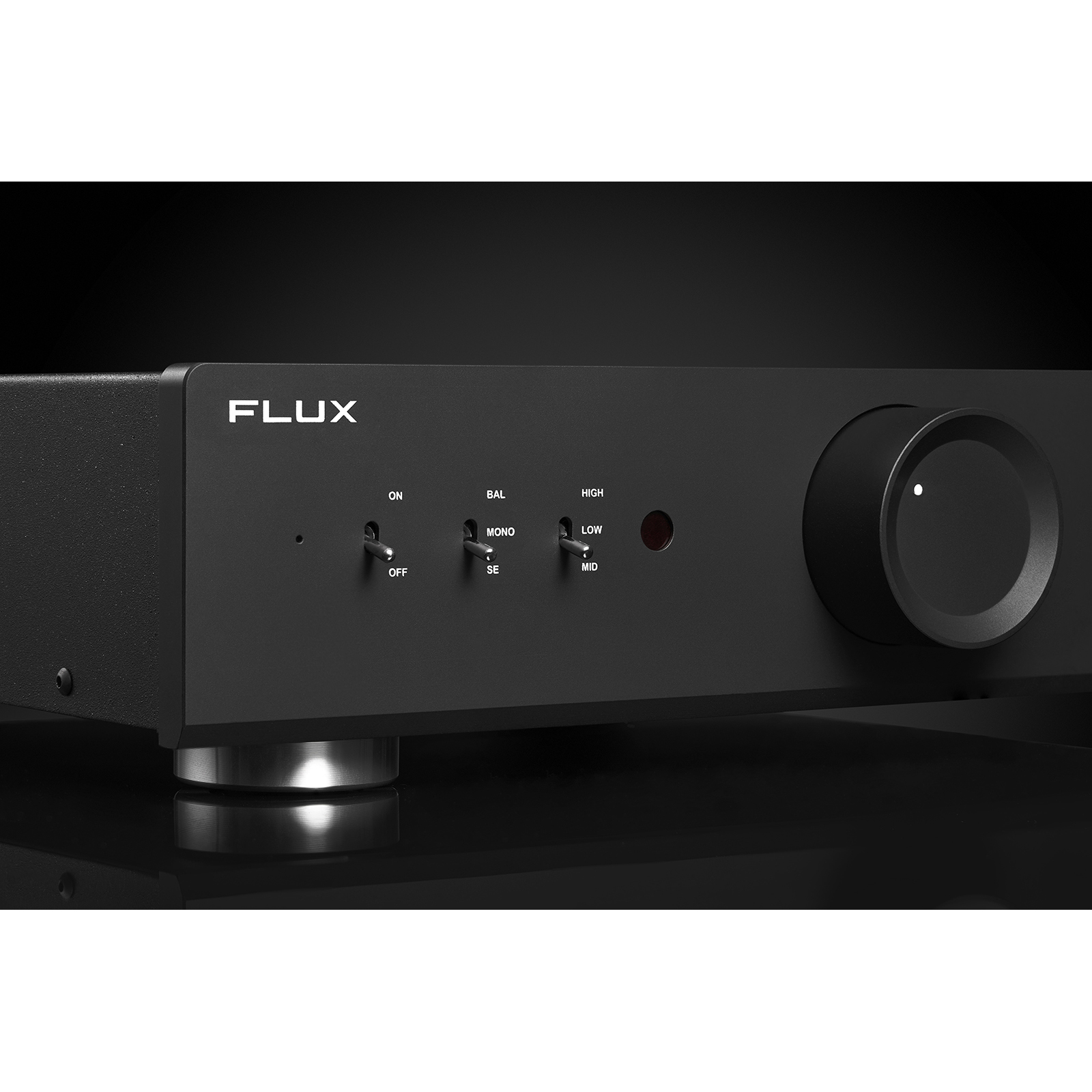
- For maximum amplifier performance, it is recommended to use balanced output connectors, which ensure ground isolation between the channels. When headphones are connected to the 6.3mm jack, the grounds of the amplifier’s right and left channel outputs are automatically connected. The LED on the front panel will turn off, indicating that the amplifier is no longer operating in ground isolation mode at the amplifier output.
-
- The amplifier comes with a remote control that allows you to control all the main functions of the amplifier. The unit is CNC-machined from top-quality aluminum to guarantee its strength and durability.
-
- Exclusively for Titan, you can purchase a power cable with the amplifier, which is based on the Neotech NEP-3003G. The cable uses ultra-pure monocrystalline copper with added graphene atoms (G-UPOCC). The cable is equipped with high-quality TTAF power plugs, whose contacts are made of copper with a gold coating on the outside. As a result, this cable is capable of having a very beneficial effect on resolution and allows for an even more impressive holographic sound.





Reviews
There are no reviews yet.